Actors are famously superstitious. They avoid saying “Macbeth” in a theater. They never whistle backstage. They leave a ghost light on stage when the theater is empty. Among these many traditions, one of the most enduring involves the right foot.
Before stepping onto the stage, many actors always put their right foot first. Some touch the stage with their right foot before entering. Others step onto the boards with the right foot and leave with the left. This tradition spans centuries and crosses cultures.
The right foot has long been associated with good luck, blessing, and proper action. In many spiritual traditions, the right side is the side of giving, action, and divine favor. Stepping with the right foot first is a way of beginning an action with blessing.
For actors, the superstition also serves a practical purpose. It creates a ritual. A moment of focus before the chaos of performance. It centers the actor, calms the nerves, and marks the transition from backstage to the world of the play.
This article explores the actor superstition of stepping with the right foot first. You will discover the history of this tradition and what it represents about beginnings, blessing, and the power of ritual.
Read Next: Spiritual Meaning of the Name Liam: Origin, Personality & Popularity

Key Takeaways
What are Actor Superstitions and Superstitions in Theatre?
Theatre, an art form that dates back to ancient civilizations, is steeped in traditions and rituals. Superstitions in theatre are handed down through generations, often serving as guidelines for avoiding bad luck or inviting good fortune.
Actor superstitions are a subset of these beliefs, specifically focusing on the practices performers engage in to ensure the success of their portrayal and the production as a whole.
1. Origins of Actor Superstitions
Actor superstitions trace back to the very inception of theatre. In ancient Greece, where drama as we know it began, actors performed in large amphitheaters, invoking the favor of the gods for a successful performance. This reliance on the divine and mystical gave birth to various rituals and superstitions, many of which persist in modern theatre.
2. The Role of Superstitions in Modern Theatre
In today’s theatre, superstitions continue to play a crucial role. They are seen not only as a nod to the rich history of the art form but also as essential components of an actor’s preparation and performance. Engaging in these superstitions can provide a sense of security and confidence, crucial elements for any performer stepping onto the stage.
Origins of the Actor Superstitions of Stepping with the Right Foot First
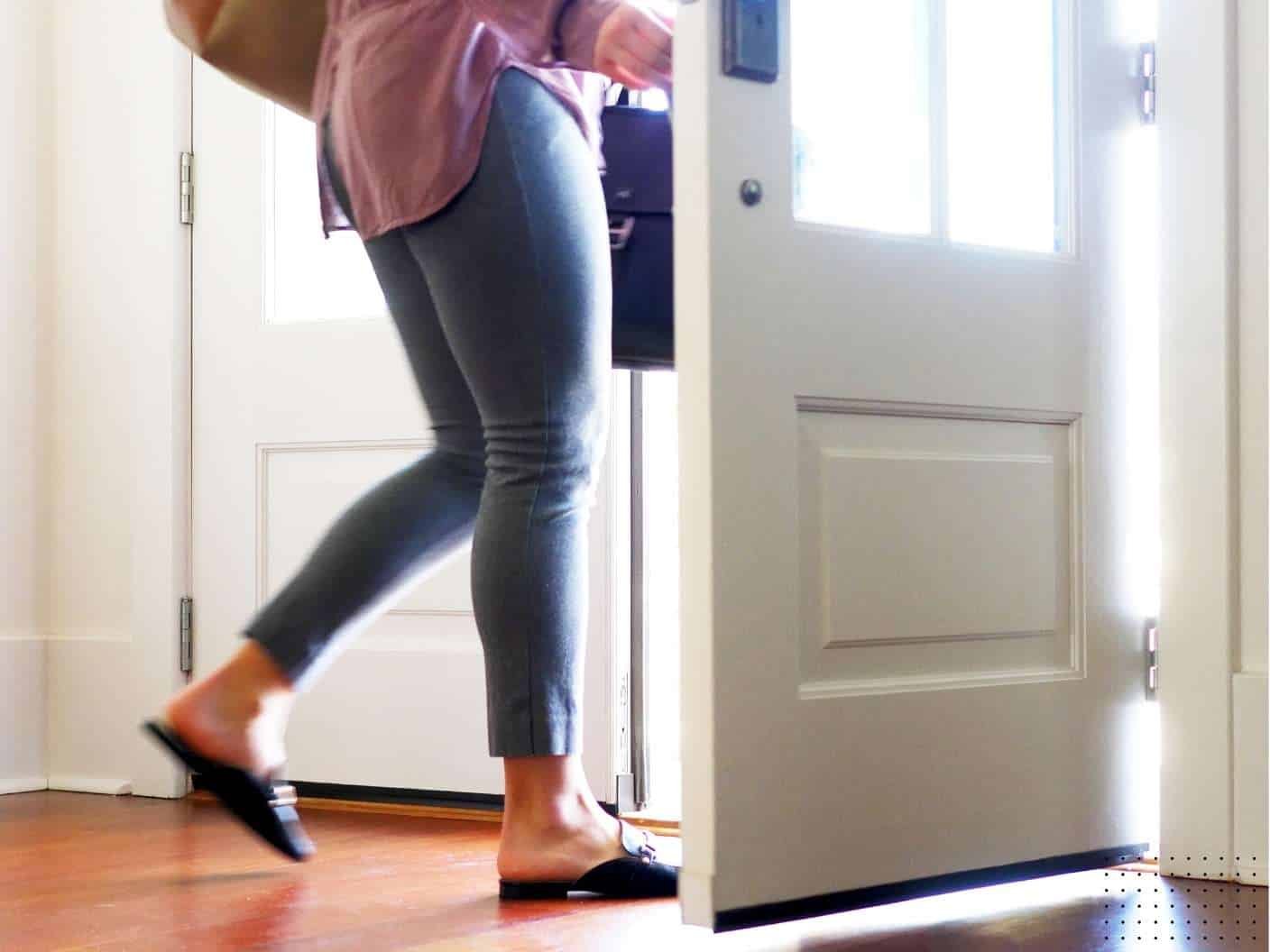
The superstition of stepping with the right foot first has roots that run deep into history and across cultures. This practice is not exclusive to theatre; it is found in various aspects of life, including entering a new house, boarding a ship, or embarking on a journey.
1. Historical Significance
Historically, the right side has been associated with auspiciousness and positive energy. This belief can be traced back to ancient civilizations such as the Romans, who considered the left side unlucky. In theatre, this translated into the practice of entering the stage right foot first to ensure a performance free from misfortune.
2. Cross-Cultural Perspectives
This superstition is not limited to Western theatre. In many cultures around the world, the right side is considered more favorable. In India, for example, the right hand is used for eating and greeting, signifying its importance in conducting positive actions. Such universal beliefs reinforce the significance of stepping with the right foot first in the theatrical context.
Cultural and Religious Interpretations
The superstition of stepping with the right foot first is enriched by various cultural and religious interpretations that add layers of meaning to this seemingly simple act.
1. Religious Connotations
In many religions, the right side is associated with virtue and righteousness. Christianity, Islam, and Judaism, for instance, have specific references to the right hand or side as being more favorable or powerful. These religious undertones provide a spiritual dimension to the superstition, elevating its importance in the eyes of many actors.
2. Cultural Nuances
Different cultures add their unique interpretations and practices related to stepping with the right foot first. In some Asian cultures, the right foot is preferred for stepping into sacred spaces, reflecting the respect and positive intentions one brings into the area. These cultural nuances enrich the practice, making it more than just a superstition but a gesture of goodwill and hope.
Actor Stepping with the Right Foot First: 8 Superstitious Reasons
Actors, like athletes or other performers, often adhere to personal rituals to boost their confidence and ensure the success of their endeavor.
Here are eight superstitious reasons why actors insist on stepping with the right foot first onto the stage.
1. Inviting Positive Energy
The act of stepping onto the stage with the right foot is believed to open a gateway for positive, auspicious energy to flow into the performance space. This energy is thought to imbue the actors with a sense of confidence, clarity, and focus, enabling them to deliver their best.
By harnessing this positive force, actors can connect more deeply with their characters and channel their emotions effectively. The right foot symbolizes the path to success, and taking that first step sets the tone for a powerful, captivating performance.
Actors who adhere to this superstition feel empowered, as if they have an unseen ally supporting them throughout the production. It creates a sense of control amidst the inherent unpredictability of live theater.
2. Warding Off Bad Luck
While inviting positive energy is one aspect, stepping with the right foot is also believed to ward off any potential bad luck or misfortune that could befall the performance.
Actors are keenly aware of the myriad factors that can derail a show, from technical glitches to personal mishaps. This superstition provides a sense of protection, a ritual to deflect any negative forces that may hinder the production.
By consciously taking that first step with the right foot, actors feel they have created a barrier against forgetting lines, prop malfunctions, or any other unforeseen circumstances.
It brings a sense of control and reassurance in an environment where anything can happen. Engaging in this practice instills a belief that the performance will proceed smoothly, without any major disruptions.
3. Honoring Tradition
The theater is steeped in rich traditions that have been passed down through generations of actors. Stepping with the right foot is one such tradition that has endured, serving as a link to the performers who have graced the stage before.
By adhering to this practice, actors pay homage to the legends who have paved the way and acknowledge the importance of preserving the customs that have become woven into the fabric of the theatrical world.
This connection to tradition fosters a sense of belonging and continuity, reminding actors that they are part of a larger legacy. It instills a sense of reverence and respect for the art form, motivating actors to uphold the standards and integrity of their craft.
4. Psychological Assurance
Performance anxiety is a common challenge faced by actors, no matter their level of experience. The pressure to deliver a flawless performance can be overwhelming, and any ritual that provides psychological assurance is invaluable.
Stepping with the right foot serves as a mental anchor, a familiar routine that grounds actors and helps them regain their composure. By engaging in this superstition, actors create a sense of control and familiarity amidst the chaos of the stage.
It becomes a touchstone, a ritual that they can rely on to center themselves and tap into their inner confidence. The simple act of stepping with the right foot can trigger a shift in mindset, allowing actors to leave their doubts and fears behind and fully immerse themselves in their characters.
5. Attracting Audience Favor
Actors understand that their performance is a collaborative endeavor, one that requires the active participation and engagement of the audience. The superstition of stepping with the right foot is believed to forge a connection with the audience, ensuring their favor and appreciation.
This ritual is thought to create an invisible bond between the performers and the spectators, establishing a shared energy and enthusiasm for the production. By taking that first step with the right foot, actors feel they are extending an invitation to the audience, beckoning them to embark on an immersive journey together.
This sense of unity with the audience can heighten the performers’ confidence, knowing that their efforts will be well-received and celebrated. It fosters a symbiotic relationship, where the audience’s engagement fuels the actors’ passion, and the actors’ commitment captivates the audience.
6. Symbolizing a Good Journey
Every performance is a journey, a voyage into the depths of the character’s psyche and the intricacies of the story being told. Stepping with the right foot symbolizes the hope for a smooth, successful journey, free from obstacles or detours.
It represents the actor’s commitment to navigating the twists and turns of the narrative with grace and authenticity. This symbolic gesture serves as a reminder that each performance is a new adventure, offering the opportunity for personal growth and artistic expression.
By acknowledging the journey ahead, actors can approach their roles with a sense of reverence and determination, fully embracing the transformative power of their craft.
7. Ensuring Harmonious Performance
Theater is a collaborative art form, and the success of a production relies heavily on the harmony and cohesion of the entire cast and crew. The superstition of stepping with the right foot is seen as a way to promote unity and synchronicity among all involved.
By sharing in this ritual, actors create a sense of camaraderie and shared purpose, ensuring that their individual performances mesh seamlessly into a cohesive whole.
This collective adherence to the superstition fosters a sense of togetherness, where each actor’s contribution is valued and respected. It cultivates an environment of mutual understanding and support, allowing for open communication and constructive feedback throughout the rehearsal process and performances.
8. Personal Success Ritual
For many actors, the act of stepping with the right foot has evolved beyond a mere superstition and has become a deeply personal ritual, an integral part of their identity as performers.
This practice has been woven into their pre-show routines, a cherished tradition that holds profound meaning and significance. Through years of dedication and experience, actors have witnessed the power of this ritual, attributing their successes, both large and small, to the unwavering observance of this custom.
By maintaining this ritual, actors feel a sense of continuity and familiarity, grounding them amidst the ever-changing demands of their craft. It becomes a source of comfort and reassurance, a constant in the midst of the unpredictable nature of the performing arts.
Other Superstitions in Theatre
Beyond stepping with the right foot first, the theatre world is rife with other superstitions that actors and crew members adhere to.
1. The Scottish Play
One of the most well-known theatre superstitions involves avoiding the name of Shakespeare’s “Macbeth” inside a theatre, referring to it instead as “The Scottish Play.” Violating this taboo is believed to bring bad luck.
2. Ghost Lights
Leaving a single light bulb burning in an empty theatre, known as a ghost light, is a practice meant to ward off spirits or, conversely, to provide them with light to perform their own plays, thus keeping them content and harmless.
3. Whistling
Whistling backstage is considered bad luck because, in the past, it was used as a coded signal among stagehands. Accidental whistling could cue a premature set change or prop drop, leading to accidents or disrupted performances.
How Superstitions Affect Actors’ Performances
The impact of superstitions on actors’ performances cannot be understated. While some might dismiss these practices as mere rituals, for many performers, they are integral to their preparation and execution of the role.
1. Psychological Comfort
Superstitions offer a sense of control in the unpredictable world of theatre. They provide psychological comfort and can significantly reduce performance anxiety, allowing actors to focus on their roles.
2. Sense of Community
Engaging in shared superstitions fosters a sense of community and belonging among the cast and crew. This camaraderie can enhance teamwork and the overall quality of the performance.
3. Performance Quality
Ultimately, the confidence and assurance gained from these superstitions can positively affect the quality of the performance. An actor who feels secure and supported is more likely to deliver a compelling, authentic performance.
Final Words
In conclusion, the actor superstitions of stepping with the right foot first are more than mere rituals; they are a complex blend of history, culture, religion, and psychology.
These practices provide actors with the confidence and assurance needed to brave the stage, offering a fascinating glimpse into the world of theatre and the minds of those who bring it to life.
Whether one believes in the power of these superstitions or not, their impact on the world of performing arts is undeniable, weaving a rich tapestry of tradition and belief into the fabric of theatre.
Infographic: Theatre Superstitions
You Might Also Like
1) 9 Spiritual Meanings of a Rooster Crowing At Night & Superstitions
2) 10 Spiritual Meanings of Hiccups, Symbolism & Superstitions
3) 10 Spiritual Meanings of Nosebleed, Superstitions & Myths
4) 10 Spiritual Meanings of Horseshoe: Hang It Over Door for Luck!
FAQs
1. Why do actors step onto the stage with their right foot first?
The tradition comes from the belief that the right side is blessed and the left side is unlucky. Stepping with the right foot first begins the performance with good fortune. It also creates a ritual, a moment of focus before stepping into the world of the play. The ritual calms nerves and marks the transition. It is a way of saying, “Now, the work begins.”
2. Is this superstition connected to spiritual beliefs?
Yes. In many spiritual traditions, the right side is associated with blessing, action, and divine favor. The right hand is the hand of power. The right foot is the foot of beginning. Stepping with the right foot first is a way of aligning yourself with blessing. It is a small act of faith that the work you are about to do is supported.
3. Can non-actors use this superstition?
Absolutely. Any beginning can be blessed with ritual. Before a meeting, an important conversation, or a new project, you can step forward with your right foot first. It is a way of marking the moment. Of saying, “I am starting now, and I start with intention.” The ritual does not need a stage. It needs only your awareness. Step forward with blessing. See what happens.